Carnival in Venice, lost in masks and time
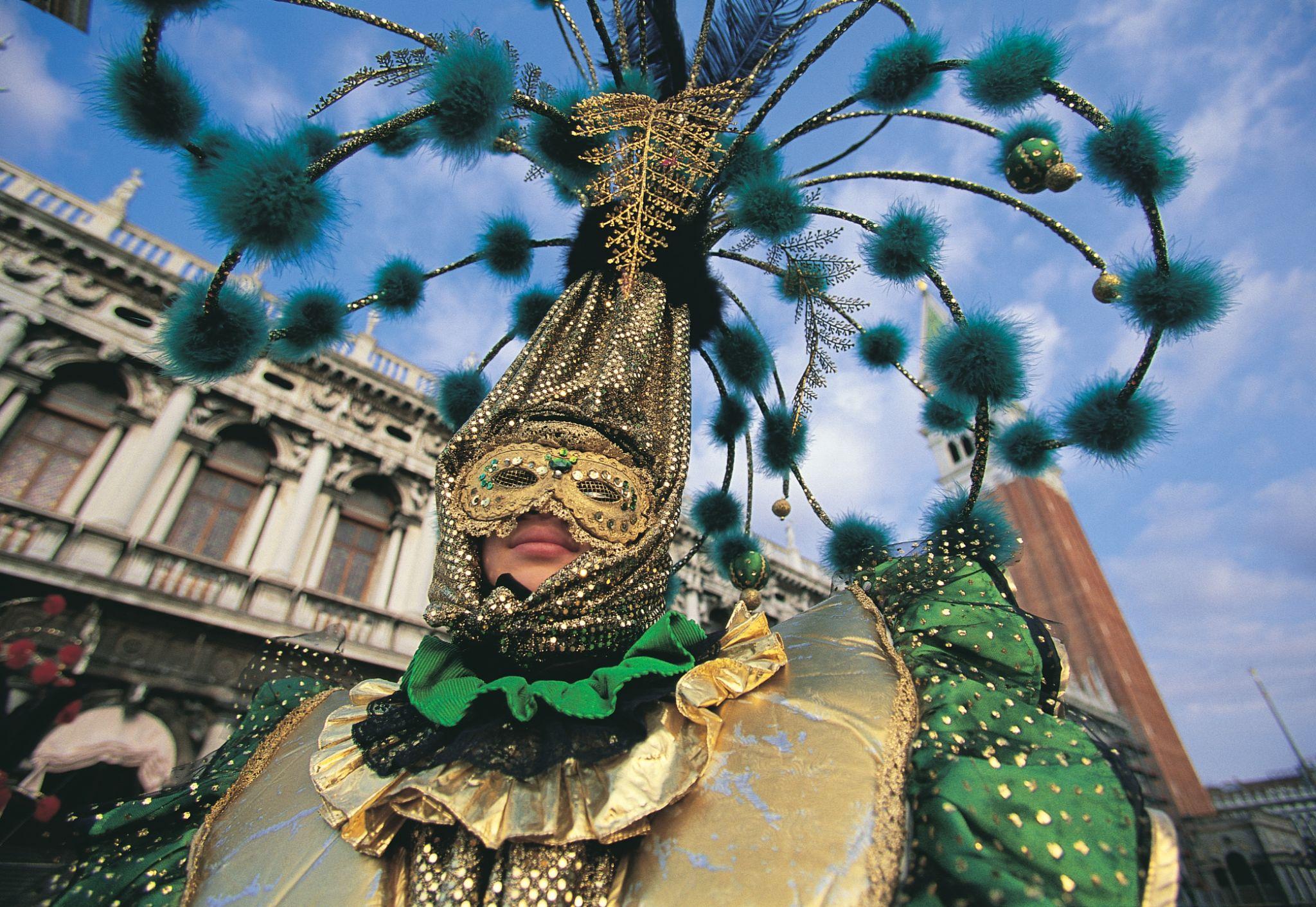
The Carnival of Venice is more than a festival; it’s a centuries-old illusion. Its origins date back to the Middle Ages, when Venetians used masks to blur social boundaries—nobles and commoners mingled freely, protected by anonymity. Over time, the carnival became famous for its elaborate costumes, ornate masks, and a sense of theatrical freedom that still defines it today.
I experienced Venice at its most magical during the final carnival weekend, from 13 to 15 February 2026. The city felt like a living stage set: narrow alleys echoed with laughter, candlelight flickered on canals, and every corner revealed another character straight out of history.
I joined the spectacle fully disguised, wrapped in a dramatic, baroque-inspired costume—think deep velvet tones, a feathered mask, and just enough mystery to feel like I belonged to another century. Walking through Piazza San Marco in costume was surreal. Strangers asked for photos, exchanged knowing smiles, and for a moment, time genuinely seemed suspended. No phones, no modern rush—just footsteps on stone and the soft rustle of fabric.
Venice during carnival isn’t something you simply visit; it’s something you step into. And once the mask comes off, a part of you secretly wishes it didn’t have to.


